Prevention & Safety
Practical, evidence-informed guidance that helps families, professionals, and communities recognize risks, prevent harm, respond early, and create safer environments for children.
- Details
- Parent Category: Resource Library
- Category: Prevention & Safety
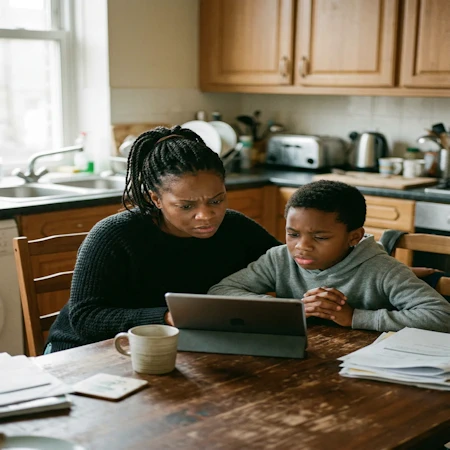
Child sexual abuse is rarely committed by strangers. According to the CDC, about 90% of child sexual abuse is perpetrated by someone known and trusted by the child or the child's family. Most offenders gain access through a deliberate process called grooming — a sustained, relationship-based sequence of behaviors designed to secure trust, create isolation, and prevent disclosure. This article explains what grooming looks like in practice, how it operates across families, institutions, and online environments, and what parents, caregivers, and communities can do to recognize and disrupt it.
- Details
- Parent Category: Resource Library
- Category: Prevention & Safety
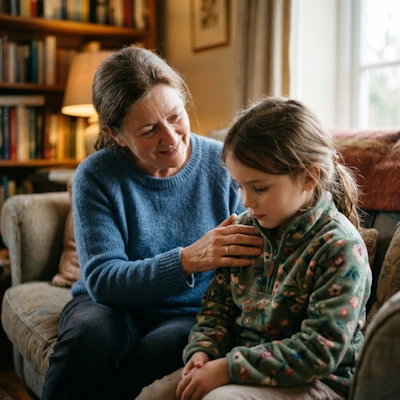
Children today grow up online — and that connectivity brings real risks alongside its benefits. From online predators and sextortion to cyberbullying, harmful content, and AI-generated exploitation, the threats children face in digital spaces are serious, well-documented, and evolving rapidly. This guide draws on research from the CDC, FBI, NCMEC, the U.S. Surgeon General, and leading child safety organizations to help families, educators, and professionals understand those threats — and take meaningful steps to protect the children in their lives.
- Details
- Parent Category: Resource Library
- Category: Prevention & Safety
Child abuse and maltreatment are not random events — they happen within a web of individual circumstances, family dynamics, and community conditions that researchers have studied for decades. Understanding what drives maltreatment, and what protects against it, is one of the most powerful tools we have to prevent it from occurring in the first place. This article examines the documented causes and contributing factors behind child abuse and neglect, explores the family and community dynamics that elevate or reduce risk, and outlines evidence-based strategies — from home visiting programs to community-level policy — that are proven to make children safer.
- Details
- Parent Category: Resource Library
- Category: Prevention & Safety
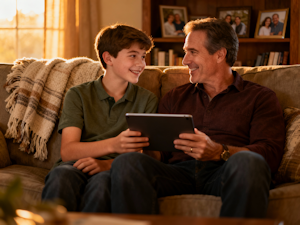
Today’s kids spend much of their lives online—doing homework, chatting with friends, gaming, and scrolling. For Maryland families, that can feel overwhelming, especially when headlines highlight cyberbullying, explicit content, and online predators. This guide explains the main online risks for children in clear language and offers simple, practical steps any parent or caregiver can use to help keep kids safer.
Read more: Kids, Screens, and Safety: A Practical Guide to Protecting Children Online