Understanding Child Abuse and Maltreatment: Causes, Risk Factors, and How We Can Prevent It
Child abuse and maltreatment are not random events — they happen within a web of individual circumstances, family dynamics, and community conditions that researchers have studied for decades. Understanding what drives maltreatment, and what protects against it, is one of the most powerful tools we have to prevent it from occurring in the first place. This article examines the documented causes and contributing factors behind child abuse and neglect, explores the family and community dynamics that elevate or reduce risk, and outlines evidence-based strategies — from home visiting programs to community-level policy — that are proven to make children safer.
What Child Maltreatment Actually Is
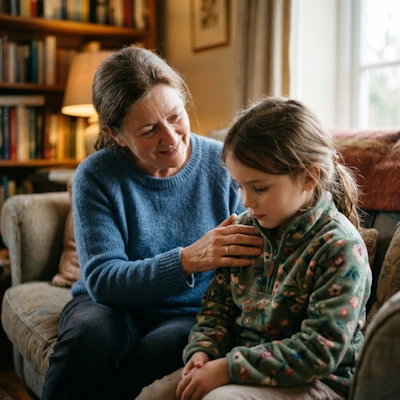 Child maltreatment is an umbrella term that encompasses several distinct forms of harm. Federal and state child welfare frameworks commonly categorize maltreatment into physical abuse, sexual abuse, psychological/emotional maltreatment, and neglect. In practice, a child may experience more than one type simultaneously, and the categories often overlap.
Neglect is by far the most prevalent form. The ACF's Child Maltreatment 2023 Report found that 64.1% of substantiated victims experienced neglect — meaning that the majority of children formally identified as maltreated were not physically harmed but rather deprived of basic needs: food, supervision, shelter, medical care, or emotional nurturing. Physical abuse accounted for 10.6% of cases, sexual abuse for 7.5%, and psychological maltreatment for 3.5%. An additional 11.1% of victims experienced multiple types of maltreatment in a single investigation.
In fiscal year 2023, Child Protective Services (CPS) agencies received an estimated 4.4 million referral reports involving approximately 7.78 million children. Of those investigated, an estimated 546,159 children were identified as victims — a continued decline from previous years. ACF has noted that this trend may reflect a mix of prevention efforts, improved screening practices, backlog resolution, and the adoption of alternative response programs across states. However, these official figures represent only a fraction of actual maltreatment. Data from nationally representative surveys suggests that up to 25.6% of children experience some form of maltreatment during childhood, most of which is never formally reported to authorities.
The human cost of these numbers is staggering. An estimated 2,000 children died from abuse and neglect in fiscal year 2023 — approximately five children every day. Of those fatalities, 44% were under one year of age, and 66.9% were younger than three. These are among the most vulnerable and least able to protect or advocate for themselves.
Why Maltreatment Happens: Moving Beyond Simple Explanations
A common misconception is that child abuse is simply the result of a "bad" parent — an isolated individual who lacks empathy or self-control. Research consistently shows that this framing is both inaccurate and counterproductive. Child maltreatment is not caused by a single factor. It emerges from the interaction of multiple forces operating at different levels of a child's social world.
The framework most widely used in research and public health is the socio-ecological model, developed by developmental psychologist Urie Bronfenbrenner and later applied to child maltreatment by Jay Belsky. This model organizes contributing factors across four nested levels: the individual, the family and relational environment, the community, and the broader society. A 2025 systematic review and meta-analysis published in Public Health, analyzing 42 studies conducted between 2013 and 2023, confirmed that significant risk factors exist at all four of these levels — and that addressing any single level in isolation is insufficient for effective prevention.
Understanding maltreatment this way changes what prevention looks like. It means that supporting a struggling parent is not enough if that parent lives in a neighborhood with no services, high unemployment, and social isolation. It means that community investment is not enough if families lack the basic financial stability to meet their children's needs. Effective prevention has to engage all levels simultaneously.
Individual and Caregiver Risk Factors
At the individual level, risk factors cluster around two groups: the characteristics of the child, and the characteristics of the caregiver. It is essential to emphasize that children bear no responsibility for their own maltreatment — individual characteristics that increase vulnerability do so by increasing caregiver stress or by creating situations in which harm is more likely to go undetected, not because of anything the child has done.
Child Vulnerability Factors
According to the CDC's risk factor research, children younger than four years of age face a significantly elevated risk of maltreatment. In 2023, more than one quarter (26.6%) of all victims were between birth and age two, and infants under one year had the highest victimization rate of any age group — 21 per 1,000 children. Very young children cannot communicate distress, cannot seek help, and depend entirely on caregivers for every need. This total dependency, combined with the demands of round-the-clock care, creates conditions under which caregiver stress is highest and safeguards are least available.
Children with disabilities, chronic illnesses, or special healthcare needs also face elevated risk. A review published in Current Epidemiology Reports found consistent evidence of higher rates of CPS-confirmed maltreatment among children with conditions including Down syndrome, spina bifida, cleft lip, and behavioral or mental health diagnoses such as ADHD. These children often require more intensive caregiving over longer periods, increasing the cumulative burden on families — particularly those without adequate professional support, respite care, or financial resources.
Caregiver Risk Factors
Research identifies several caregiver-level factors that increase the likelihood of maltreatment. In the 2025 meta-analysis published in Public Health, parental mental health problems had one of the largest individual-level associations reported — an odds ratio of 5.21, meaning parents with untreated mental health conditions were more than five times as likely to be involved in a maltreatment case compared to those without. Drug abuse was reported as a caregiver risk factor in roughly one-quarter of cases in federal data from the 2023 Child Maltreatment Report, though caregiver risk-factor reporting can vary by state and category definitions.
Caregivers who were themselves abused or neglected as children carry a statistically elevated risk of perpetuating that pattern. A landmark review published in the American Journal of Psychiatry found that approximately one-third of individuals who experienced childhood maltreatment go on to engage in seriously inept, neglectful, or abusive parenting — a pattern often described as the intergenerational cycle of abuse. Critically, the same study found that one-third do not repeat the cycle, and that the remaining third remain at elevated risk only under conditions of high social stress. This matters: the cycle is not inevitable, and the factors that allow it to be broken are the same ones that prevention programs target.
Additional caregiver risk factors identified by the CDC include: young or single parenting, low educational attainment, low income, high parenting stress, use of corporal punishment, poor understanding of child development, and attitudes that accept or justify physical discipline. The presence of a non-biological caregiver in the home has also been associated with elevated risk in some studies, though this finding must be interpreted carefully given that the vast majority of stepparents and other non-biological caregivers do not maltreat children.
Family and Relational Risk Factors
Beyond the individual caregiver, the relational environment within the family carries its own set of risk factors. The Current Epidemiology Reports review identifies family poverty and material hardship as among the most consistently documented risk factors in the maltreatment literature — more predictive, in many studies, than any individual caregiver characteristic.
Poverty and Material Hardship
Poverty does not cause abuse. The vast majority of families living in poverty do not maltreat their children. But material hardship creates conditions — chronic stress, unstable housing, food insecurity, inability to access childcare or medical care — that erode parental capacity and accumulate over time. Research examining families receiving Temporary Assistance for Needy Families (TANF) found that those experiencing housing instability, utility shut-offs, and food insecurity were significantly more likely to experience a CPS investigation compared to families without those hardships. When housing instability increased, so did the frequency of maternal self-reported maltreatment behaviors.
This is why the 2023 Child Maltreatment Report includes a pointed statement from the Commissioner of the Administration on Children, Youth, and Families: "As the report indicates that the majority of children are victims of neglect, and not abuse, we must ensure that parents and children are not being punished for poverty and have access to the resources and support they need to live safe and secure lives." Neglect is often entangled with poverty-related hardship, and child welfare systems must distinguish carefully between the two — ensuring that families in need of economic support are connected to resources rather than subjected to punitive intervention.
Intimate Partner Violence
Intimate partner violence (IPV) is one of the most powerful family-level risk factors for child maltreatment. In the 2023 Child Maltreatment Report, domestic violence was identified as a caregiver risk factor in 25.1% of substantiated maltreatment cases. Research has found that mothers experiencing IPV were more likely to report physical aggression, psychological aggression, spanking, and neglect toward their children. This is not simply correlation — IPV creates a household environment saturated with fear, unpredictability, and dysregulation that directly undermines a parent's capacity to provide safe, nurturing care. In many cases, the same individual perpetrating IPV is also the one maltreating children.
Family Isolation and Conflict
Families that are disconnected from extended family, friends, and neighbors face substantially elevated maltreatment risk. Social isolation removes what research calls "informal social support" — the practical and emotional buffer provided by relationships outside the nuclear family. When parents have no one to call when stressed, no trusted adult to provide temporary childcare relief, and no community network to turn to in crisis, the pressure of parenting accumulates without outlet. The CDC identifies family isolation as a core family-level risk factor, and research consistently shows that the size of a parent's social network is inversely associated with maltreatment risk. High-conflict family communication styles and the presence of a household member who is incarcerated are additional family-level factors associated with elevated risk.
Community Risk Factors
The neighborhood and community in which a family lives exerts a powerful and independent influence on maltreatment risk — above and beyond the characteristics of any individual family. A foundational study using data from approximately 3,000 families across 50 California cities found that neighborhood-level disadvantage was especially detrimental for families already living in poverty, and that the social protective effects of community were significantly weaker for low-income families than for higher-income ones. In other words, the communities most likely to need strong social networks are often the least able to sustain them.
Concentrated Disadvantage
Communities characterized by concentrated poverty, high unemployment, high rates of vacant housing, and residential instability consistently show higher rates of child maltreatment. A study in a large urban county found that increases in the percentage of residents living in poverty and the percentage of vacant houses were associated with increased rates of maltreatment hospitalizations and fatalities at the census tract level. Across the United States, increases in child poverty rates and unemployment rates at the county level predicted higher rates of CPS investigations, even after controlling for individual and family factors.
Residential instability — frequent moves, transient neighbors — is particularly damaging because it prevents the formation of the long-term relationships that undergird community support. When neighbors do not know each other, informal social control weakens. No one notices when something seems wrong. No one is available to intervene.
Community Violence and Drug Access
Communities with high rates of crime and violence create an environment of chronic stress that permeates family life. Longitudinal data from Davidson County, Tennessee found that higher neighborhood crime rates were associated with increased risk of CPS-confirmed physical and sexual abuse. Easy access to drugs and alcohol within a community amplifies individual-level substance use risk factors, and communities with high concentrations of alcohol outlets have been linked to higher rates of maltreatment in multiple studies.
Absence of Community Resources
When communities lack accessible mental health services, substance use treatment, quality childcare, after-school programs, medical care, and safe spaces for families, the conditions that produce maltreatment go unaddressed. Research in California found that greater proximity to mental health and substance abuse services was associated with fewer self-reported neglectful behaviors among parents. The inverse — communities where such resources are scarce or geographically inaccessible — leaves high-risk families with nowhere to turn.
Societal and Structural Risk Factors
The broadest level of the ecological model encompasses the social norms, economic policies, and structural inequities that shape the environments in which children grow up. These factors are the hardest to see because they are embedded in systems, but research increasingly demonstrates their significance.
Economic Policies and Financial Stress
Macro-level economic conditions directly affect maltreatment rates. Studies examining the Great Recession of 2007 to 2009 found that economic indicators — decreased consumer confidence, rising unemployment — were associated with statistically significant increases in self-reported physical aggression and psychological maltreatment by parents toward young children. Regressive tax policies that take a proportionally larger share of income from low-income households have been associated at the state level with higher rates of CPS investigations. When families lose economic ground, children are more likely to be harmed.
Racial and Structural Inequity
The 2023 Child Maltreatment Report documents significant racial disparities in maltreatment victimization rates: American Indian or Alaska Native children had the highest victimization rate (13.8 per 1,000 children), followed by African American children (11.9 per 1,000). These disparities reflect not inherent differences in parenting across racial groups, but rather the accumulated effects of structural racism, economic disinvestment, discriminatory housing policy, and systemic bias within child welfare agencies themselves. Research is explicit on this point: it is not race that elevates maltreatment risk, but the structural conditions that disproportionately concentrate poverty, stress, and reduced access to protective resources in communities of color. Any honest approach to prevention must account for these systemic dimensions.
Social Norms Around Discipline
Cultural norms that normalize or accept physical punishment of children are associated with higher rates of physical abuse. Societies and communities where corporal punishment is widely practiced or legally permissible show higher thresholds for what constitutes harmful discipline. The CDC's prevention framework specifically identifies legislative and normative approaches to reducing corporal punishment as an evidence-based prevention strategy, not because of a single study but because the research literature consistently links the acceptance of hitting children with elevated rates of physical abuse.
The Intergenerational Cycle: Understanding and Breaking It
Perhaps no concept in child abuse research is more important — or more frequently misunderstood — than the intergenerational transmission of maltreatment. It is frequently described as a "cycle of abuse," and while that framing captures something real, it also creates a deterministic impression that is not supported by evidence.
The research literature, summarized in a widely cited review published in the American Journal of Psychiatry, suggests that approximately one-third of adults who experienced childhood maltreatment do go on to engage in seriously inadequate or abusive parenting. Another third do not repeat the pattern. The remaining third remain at elevated risk, but only under conditions of high social and psychological stress. Critically, the factors that determine which path a survivor takes are largely the same factors that prevention programs address: the presence of stable, supportive relationships; access to mental health care; reduced material hardship; and strong social networks.
A 2024 study published in JAMA Network Open, drawing on data from 13,318 adults in Japan, found that those with two or more adverse childhood experiences (ACEs) had nearly eight times the odds of perpetrating violence against older adults compared to individuals with no ACEs. The findings suggest that the effects of unaddressed childhood trauma can extend across a lifetime and affect multiple relationships — reinforcing the case for early intervention and survivor support as a broader community safety strategy.
Breaking the intergenerational cycle is not simply a matter of willpower or individual resilience. It requires the same systemic support structures — mental health services, social networks, economic stability, parenting education — that prevent initial maltreatment. Many survivors do not repeat the cycle, especially when they have stable support, treatment, and reduced stress.
Protective Factors: What Reduces Risk
The research literature on maltreatment is not only a catalogue of risks. A parallel and equally important body of evidence identifies the factors that protect children even in the presence of adversity. Understanding these protective factors is essential because they are, in many cases, the very things that effective prevention programs build.
At the Individual and Family Level
Supportive, nurturing parental relationships are the single most important protective factor at the family level. Children who have at least one stable, caring adult in their lives — not necessarily a parent — show significantly better outcomes across multiple domains including resistance to maltreatment risk. Families where caregivers are emotionally present, consistent in their rules, and connected to their children's lives are substantially less likely to be involved in maltreatment. Parents who have strong social and emotional support from family and friends are also significantly more protected — a finding consistent across studies of physical abuse, neglect, and psychological maltreatment.
At the Community Level
Neighborhood social cohesion — the degree of mutual trust and willingness to intervene among neighbors — is a documented protective factor. Communities with higher levels of social control (neighbors who look out for one another's children, who are willing to intervene in unsafe situations) and reciprocal exchange (neighbors who help each other) show lower rates of substantiated maltreatment. Access to high-quality preschool, safe after-school activities, affordable childcare, mental health services, and economic support are all associated with reduced maltreatment rates at the community level. These are not soft amenities — they are measurable protective infrastructure.
Evidence-Based Prevention: What Works
Prevention science has advanced substantially over the past three decades. The CDC's Child Abuse and Neglect Prevention Resource for Action identifies five major prevention strategy categories, each backed by research evidence. These strategies operate at different levels of the ecological model and are most effective when combined.
Strengthening Family Economic Supports
Policies that improve family financial stability reduce maltreatment risk by addressing one of its most consistent root causes. Evidence-based approaches include expanding the Earned Income Tax Credit and Child Tax Credit, ensuring access to subsidized childcare, and implementing family-friendly workplace policies such as paid family leave, livable wages, and flexible scheduling. When families can meet children's basic needs without constant crisis, the chronic stress load that elevates maltreatment risk decreases accordingly.
Home Visiting Programs
Early childhood home visiting is among the best-studied prevention interventions in the field. The Nurse-Family Partnership (NFP), which pairs first-time, low-income mothers with registered nurses who provide home visits from pregnancy through the child's second birthday, has produced some of the strongest outcomes in prevention research. A 15-year follow-up study found that NFP participants showed a 48% reduction in rates of substantiated child abuse and neglect reports compared to control-group families. A broader analysis of NFP programs projected that enrollments between 1996 and 2013 would prevent an estimated 42,000 child maltreatment incidents over the following decades.
Healthy Families America, another evidence-based home visiting program, demonstrated a one-third reduction in maltreatment recurrence among parents already involved with the child welfare system. Both programs work by building parenting knowledge and skills, reducing social isolation, improving maternal mental health, connecting families to community services, and reinforcing the kind of nurturing parent-child relationships that are themselves the most powerful protective factor in children's lives.
Parenting Skill Programs
Structured parenting education programs provide caregivers with concrete tools to manage children's behavior, reduce parenting stress, and build positive relationships with their children. The Triple P — Positive Parenting Program, one of the most extensively studied programs of this type, has demonstrated reductions in children's behavioral problems, decreases in parental stress and depression, and reduced use of harsh discipline. A population-level trial in the United States found that communities with widespread Triple P availability showed lower rates of child abuse hospitalizations, foster care placements, and maltreatment reports compared to comparison communities. Economic modeling found that the cost of making Triple P broadly available in a community would be recovered within a single year if it produced even a 10% reduction in maltreatment cases.
The CDC also supports the Adults and Children Together Against Violence: Parents Raising Safe Kids (ACT) program, which teaches positive parenting skills to caregivers of children from birth through age ten, and SafeCare, which targets families at elevated risk and focuses on caregiver-child relationships, home safety, and child health.
Early Childhood Education and Quality Care
Access to high-quality early childhood education reduces maltreatment risk through multiple pathways. Programs like Early Head Start provide comprehensive developmental support from pregnancy through age three, building secure parent-child attachments while connecting families to health, social, and economic services. Quality childcare reduces the period during which children are in unsupervised or under-supported environments, decreases parental stress by providing reliable care, and connects parents to other caregiving adults who can serve as sources of information and support. Quality childcare licensing and accreditation standards ensure that the environments children spend their days in are consistent, nurturing, and safe.
Changing Social Norms
Public education and awareness campaigns that reframe how communities think about child abuse — shifting from a view of maltreatment as a private family problem to a shared community responsibility — build the social infrastructure for prevention. The CDC's Essentials for Childhood framework identifies promoting the community norm that everyone shares responsibility for children's well-being as a core prevention goal. Legislative approaches to reduce or eliminate corporal punishment, and community-level efforts to challenge norms that accept harsh physical discipline, are also identified as evidence-based approaches.
Community Investment and Access to Services
Prevention at the community level means ensuring that neighborhoods — especially those experiencing concentrated disadvantage — have the infrastructure families need: accessible mental health services, substance use treatment, medical care, safe housing, economic opportunity, and safe spaces for children and families to gather. Research consistently finds that proximity to mental health and substance abuse services is independently associated with fewer neglectful behaviors among parents. Communities that invest in this infrastructure are investing directly in child safety.
How Everyone Can Play a Role
Child abuse prevention is not exclusively the work of social workers or government agencies. Research is clear that informal community connections — neighbors who know each other, adults who look out for children in their neighborhoods, workplaces that support families — are themselves protective factors. The CDC identifies neighbors, employers, schools, faith communities, and civic organizations as essential participants in a prevention ecosystem that extends far beyond any single program or agency.
Practically, this means:
- Developing genuine relationships with families in your neighborhood, particularly those who appear isolated or under stress. Social connection is itself a protective factor.
- Volunteering with organizations that support at-risk children and families — mentoring programs, after-school activities, food assistance, and clothing programs provide both direct support and community connection.
- Supporting employers and policymakers who prioritize family-friendly workplace policies, paid leave, and living wages.
- Advocating for access to quality affordable childcare, early education, and mental health services in your community.
- Challenging attitudes that normalize physical punishment or trivialize reports of abuse.
- Trusting your instincts. If something seems wrong in a child's life, the most important step is to say something.
At The Blue Ribbon Project, this community-centered understanding of prevention is built into our organizational DNA. Programs like Speak Up…Speak Out educate community members, professionals, and families to recognize warning signs and understand reporting obligations. Programs like A Hand to Hold directly address the relational isolation that elevates risk, connecting young people with caring adult mentors who provide consistency, guidance, and presence. These are not peripheral services — they are evidence-based responses to documented risk factors.
Sources and Resources
- Centers for Disease Control and Prevention — Risk and Protective Factors: Child Abuse and Neglect Prevention
- Centers for Disease Control and Prevention — Preventing Child Abuse and Neglect
- Centers for Disease Control and Prevention — A Public Health Approach to Child Abuse and Neglect
- Centers for Disease Control and Prevention — Essentials for Childhood Framework
- Administration for Children and Families — Child Maltreatment 2023 Report
- Child Welfare League of America — Child Maltreatment 2023 Report Summary
- Child Welfare Information Gateway — Preventing Child Abuse and Neglect
- Lesak, Austin & Shanahan (2021) — Risk and Protective Factors for Child Maltreatment: A Review. Current Epidemiology Reports.
- Luo, Chen & Epstein (2025) — Risk Factors for Child Abuse and Neglect: Systematic Review and Meta-Analysis. Public Health.
- Maguire-Jack et al. (2021) — Community and Individual Risk Factors for Physical Child Abuse and Neglect. Child Maltreatment.
- Kaufman & Zigler (1993) — Intergenerational Transmission of Child Abuse: Rates, Research, and Clinical Implications. American Journal of Psychiatry.
- JAMA Network Open (2024) — Intergenerational Chain of Violence, Adverse Childhood Experiences, and Elder Abuse Perpetration.
- Projected Outcomes of Nurse-Family Partnership Home Visitation. Prevention Science.
- Casey Family Programs — Are Home Visiting Programs Effective in Reducing Child Maltreatment?
- Triple P — Positive Parenting Program Key Research Findings
- American SPCC — Child Maltreatment Statistics 2023
- Childstats.gov — Key National Indicators of Well-Being 2023: Child Maltreatment