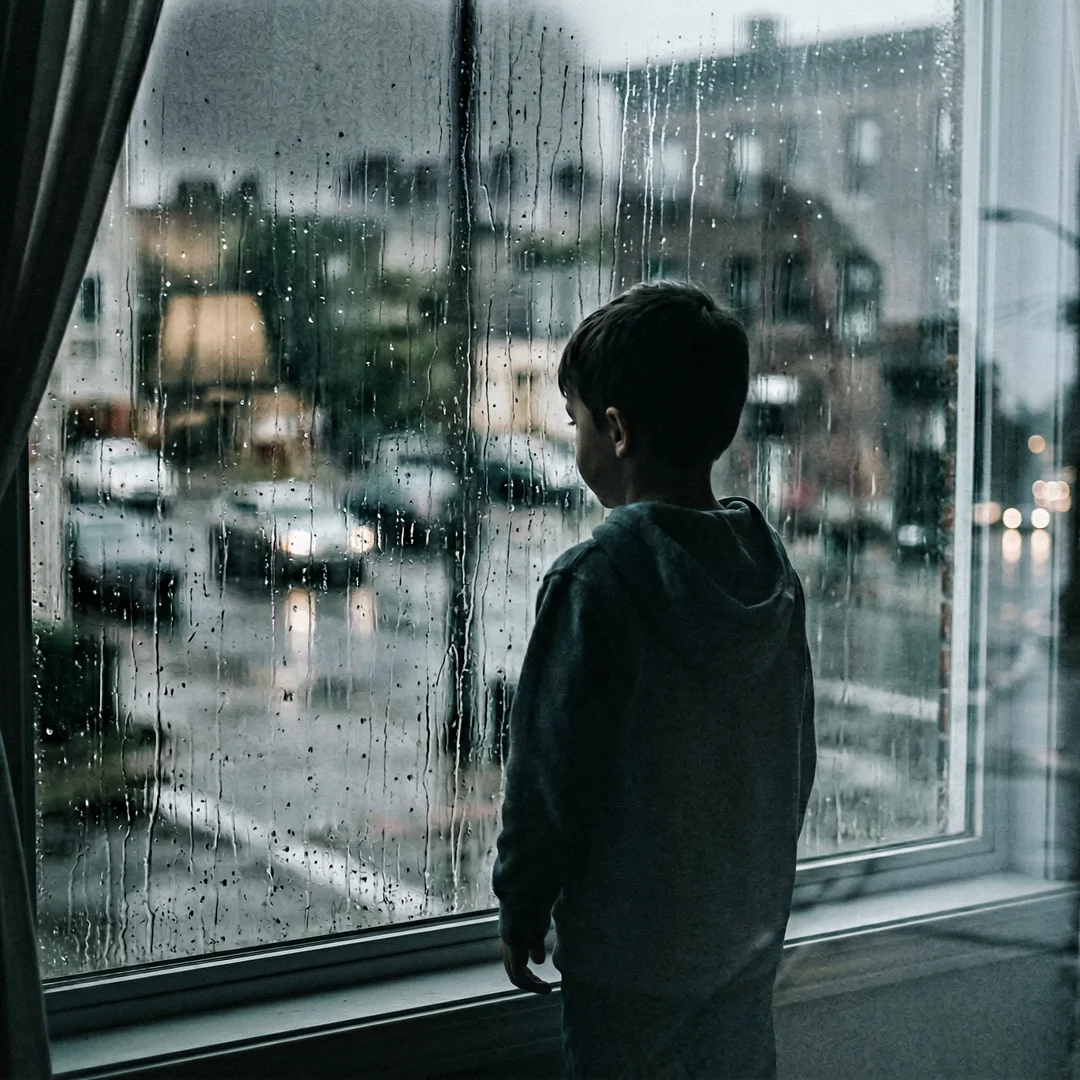
Child maltreatment — including physical abuse, sexual abuse, emotional abuse, and neglect — can leave a lasting imprint on a child's developing mind, body, and sense of self. According to the Centers for Disease Control and Prevention, at least one in seven children in the United States experienced abuse or neglect in the past year, and more than two-thirds of children report encountering at least one traumatic event by the age of 16. For children who experience repeated or ongoing maltreatment, the psychological consequences can be profound, often meeting the criteria for Post-Traumatic Stress Disorder (PTSD) or its more complex form, Complex PTSD (C-PTSD). This article explores what PTSD and C-PTSD look like in children, how they differ, and what the short- and long-term effects mean for a child's health, development, and future — with evidence drawn from peer-reviewed research, government data, and leading child welfare and trauma authorities.