The Tim and Carolyn Charitable Trust

The Lexi and Katie Boone Bright Futures Fund










The Blue Ribbon Project is a nonprofit organization dedicated to preventing child abuse in all its forms while providing meaningful, compassionate support to children, youth, and families impacted by abuse and neglect. Founded in 2012 by Taylor Pyles—an adult survivor of child abuse and a former youth in foster care—our organization was born from lived experience and a deep commitment to ensuring that no child feels invisible, unheard, or unsupported.
From a small, grassroots effort to a recognized community organization operating from a 5,000-square-foot facility on the historic Crownsville Hospital campus in Crownsville, Maryland, The Blue Ribbon Project now serves children affected by abuse and neglect, and children and youth in foster care, throughout Maryland.
Child abuse and neglect remain urgent, widespread issues affecting communities across the country. Understanding the scope of the problem is a critical first step toward prevention and meaningful change. 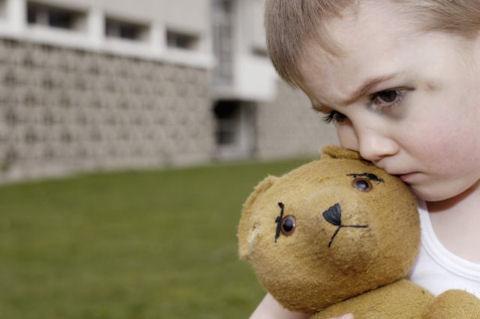
According to the U.S. Department of Health and Human Services Child Maltreatment 2023 report, an estimated 546,159 children were determined to be victims of abuse or neglect during federal fiscal year 2023—a rate of 7.4 victims per 1,000 children. Child Protective Services agencies received approximately 4.4 million referrals involving roughly 7.78 million children that year.
Neglect remains the most common form of maltreatment, accounting for approximately 64 percent of all substantiated cases. Physical abuse accounts for about 10.6 percent of cases, and sexual abuse for approximately 7.5 percent. More than one-quarter of all victims are age two or younger, and children under one year old face the highest victimization rate of any age group at 21.0 per 1,000 children.
An estimated 2,000 children died from abuse and neglect in fiscal year 2023. The youngest children are most vulnerable—44 percent of child fatalities involve children younger than one year old. Caregiver risk factors such as substance abuse and domestic violence are present in approximately one-quarter of all substantiated cases.
According to the most recent federal data from the Adoption and Foster Care Analysis and Reporting System, approximately 328,947 children were in foster care across the United States as of September 30, 2024. While this represents a continued decline—down from approximately 343,077 in fiscal year 2023 and significantly lower than the 437,010 reported in 2018—hundreds of thousands of children and youth continue to need safe, stable placements and supportive services.
Entries into foster care have also declined, with approximately 170,993 children entering care in fiscal year 2024. Despite these decreasing numbers, children in foster care continue to face significant challenges including placement instability, educational disruption, and the lasting effects of trauma.
 In Maryland, child abuse and neglect affect thousands of children and families each year. Federal data from the National Child Abuse and Neglect Data System shows that during fiscal year 2024, an estimated 6,272 children in Maryland were identified as victims of maltreatment—a rate of 4.6 per 1,000 children. Neglect is the most prevalent form of maltreatment in Maryland, representing approximately 66.7 percent of substantiated cases, followed by sexual abuse at 25.6 percent and physical abuse at 20.9 percent.
As of September 30, 2024, there were 3,605 children in foster care in Maryland. The foster care entry rate in the state stands at 0.9 per 1,000 children. Black children are disproportionately represented in Maryland's foster care system, making up approximately 57 percent of children in care while comprising about 30 percent of the state's child population.
Maryland reported 46 child maltreatment fatalities in fiscal year 2024, a rate of 3.35 per 100,000 children. The median length of stay for children in Maryland's foster care system is approximately 22 months, and children exiting care spend a median of over 28 months in the system before achieving permanency.
These numbers represent real children in our communities—children who deserve safety, stability, and the chance to heal and thrive.
The Blue Ribbon Project addresses the needs of children and families affected by abuse and neglect through a range of trauma-informed, survivor-centered programs. Our work spans direct support, education, awareness, and prevention—because we believe that protecting children requires both meeting immediate needs and addressing the systemic gaps that allow abuse to persist.
Child abuse thrives in silence. When communities come together—when neighbors, educators, caregivers, and everyday people choose to pay attention and speak up—children are safer. The Blue Ribbon Project exists to break that silence and to ensure that children and families in Maryland have the support they need.
Whether you volunteer your time, donate resources, attend a training, or simply learn the warning signs, you play a role in preventing child abuse and supporting those affected by it.
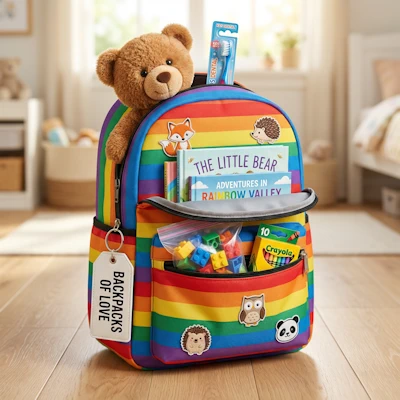
When children enter foster care, they often leave home with little or nothing. The Backpacks of Love program ensures that every child is met with dignity and essential personal items during this frightening transition. Each backpack is thoughtfully filled with age-appropriate clothing, hygiene items, comfort objects, and school supplies—replacing trash bags with a message of care and worth.

Mirah's Closet provides free access to clothing, shoes, school supplies, and essential items for children and youth in foster care, kinship care, and other qualifying situations. Operating in a boutique-style setting, the program allows children to choose items that fit their needs and personal style, restoring a sense of control and normalcy. Mirah's Closet is named in honor of Mirah Chabbra, who lost her life to a rare form of brain cancer called DIPG.

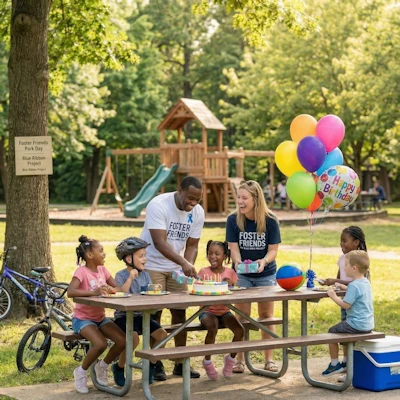
The Foster Friends program is dedicated to helping children and youth in foster care experience the joys of childhood. Through scholarships, sponsorships, birthday celebrations, holiday events, and enrichment activities, Foster Friends removes financial and logistical barriers so every child in care has the chance to participate in sports, arts, camps, and community experiences.
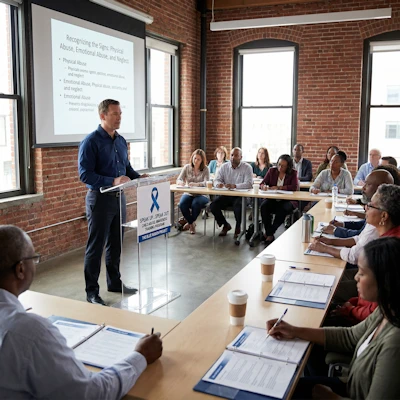
The Speak Up…Speak Out program is centered on education, awareness, and prevention. Through community outreach, training, and public engagement, the program empowers individuals to recognize warning signs of child abuse, understand reporting responsibilities, and take action to protect children.
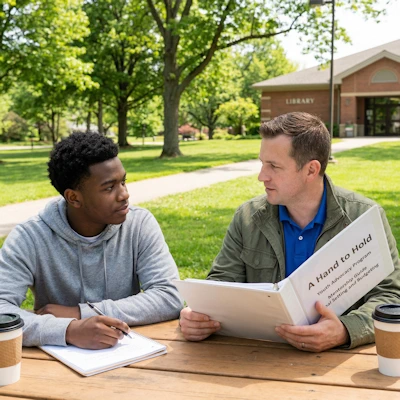
If you are concerned that a child may be experiencing abuse or neglect, please do not wait. You do not need proof - you only need reasonable concern. Reports made in good faith are protected by law.
AI chatbots are not a substitute for trained crisis professionals. If you or someone you know is in crisis, please use the resources above. Reporting abuse can protect a child. Remember, you do not need to be certain that abuse is occurring - if you have concerns, reach out. Trained professionals will assess the situation and take appropriate steps. If you are a survivor of childhood abuse and are struggling with its effects, support is available. Healing is possible, and you deserve to access it.