Maryland Lawmakers Demand Answers on Foster Children Stranded in Hospital Overstays
ANNAPOLIS, MD — January 30, 2026 — Maryland lawmakers pressed Department of Human Services officials during a Senate Finance Committee hearing on January 28 about the troubling practice of "hospital overstays," in which foster children remain stranded in medical facilities for weeks or months after being medically cleared for discharge simply because the state cannot find appropriate placements for them.
What Happened at the Hearing
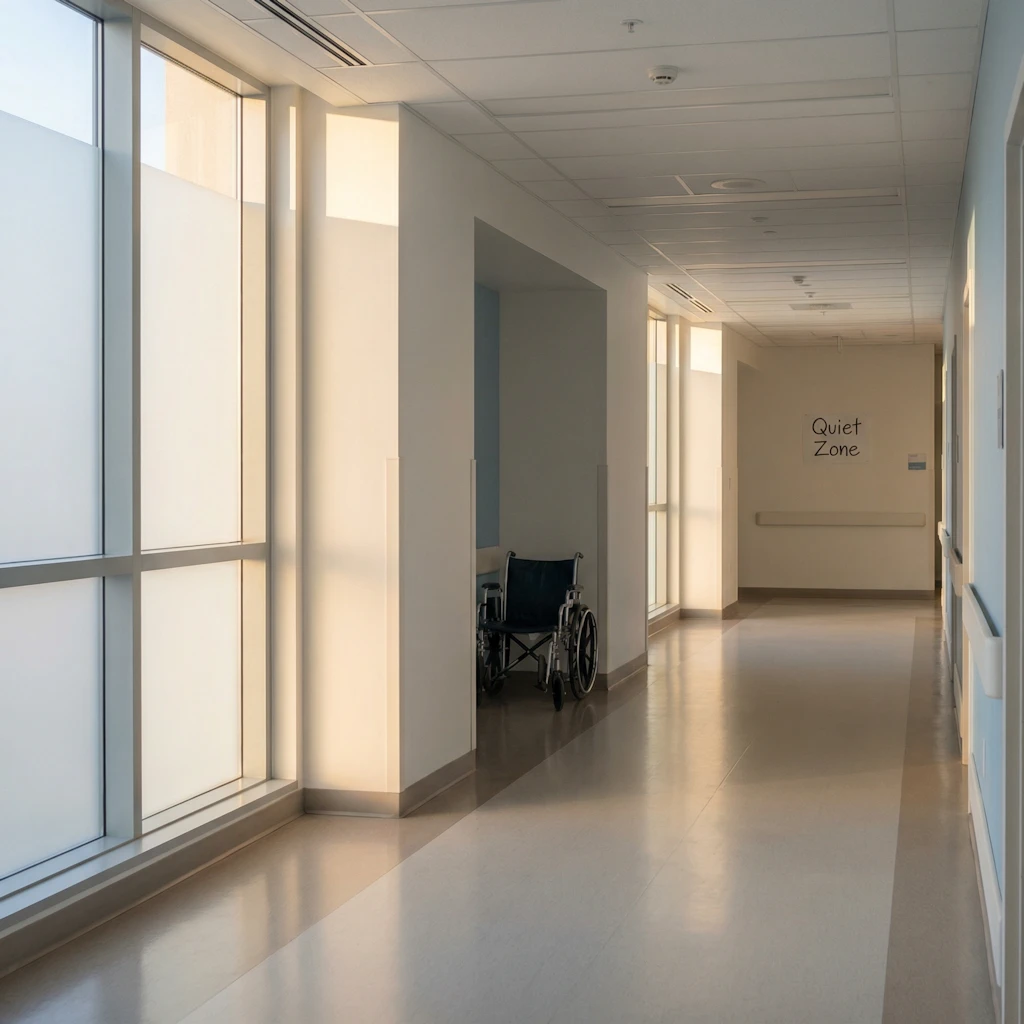
Finance Committee Chair Senator Pam Beidle (D-District 32) led pointed questioning of DHS officials about children languishing in hospitals without treatment, education, or even the ability to go outside. Testimony revealed that some foster children have spent 60 to 100 days in hospital settings after being cleared for discharge.
"This child was in a room for 60 days. No treatment. Couldn't go outside. Had food and clothes—that was it," Senator Beidle stated during the hearing, referring to a specific case. "And I was told DHS doesn't take custody until they have placement for children."
Larry Handerhan, assistant secretary for programs at DHS, acknowledged the challenges, explaining that the department works closely with families to identify alternatives while pursuing voluntary placement agreements (VPAs). However, DHS does not assume custody of a child until a VPA is signed by a parent or guardian, leaving some children in limbo for extended periods.
"It is not fair to the children who need behavioral health or medication," Senator Beidle continued. "We are not helping children when we leave them in a facility like that."
 Current Numbers and Progress
DHS officials reported that as of January 8, 2026, there were seven children in DHS care and custody experiencing a hospital overstay—a 65 percent reduction compared to the same time the previous year. Officials indicated that five of those seven children will soon be placed in appropriate settings.
However, broader data presented by the Workgroup on Children in Unlicensed Settings and Pediatric Hospital Overstays showed a more complex picture. As of January 8, 2026, 32 youth total were experiencing hospital overstays across the state, including children pending voluntary placement agreements and those whose families were working with DHS. Of those 32 youth, 25 were in inpatient units and seven were in emergency departments. The demographic breakdown showed 12 girls and 20 boys, ranging in age from 7 to 20 years old, with an average age of 14.
The Scope of the Problem
A federal lawsuit moving toward class-action status in U.S. District Court for the District of Maryland has documented that 144 foster children experienced extended hospital overstays over roughly a two-year period ending in early 2025. The case, brought by Disability Rights Maryland and attorney Mitchell Y. Mirviss, alleges that the state's practices violate federal disability law and constitutional protections by unnecessarily institutionalizing children who should be cared for in community settings.
Court filings describe children isolated in windowless rooms, wearing paper scrubs, and separated from their belongings and peers. Reports describe children sleeping excessively to escape monotony, while others begged staff for the chance to go outside or simply "be a normal kid." Internal hospital communications have shown frustration over delays and the sense that medical facilities were being used as a "backstop" for child welfare failures.
Systemic Issues Under Scrutiny
The hearing also addressed concerns about CJAMS, the state's case management system for tracking children in care. Senator Clarence Lam (D-District 12) noted that local DHS staff have found the system difficult to use.
"A lot of DHS folks are saying CJAMS has been really difficult to work with. It has been very clunky. That's why they had to resort to cataloging things on spreadsheets," Senator Lam stated.
Handerhan acknowledged the technical challenges, responding that the department has identified areas where the system needs refinement and is working to address them.
The hospital overstay issue gained greater public attention following the death of 16-year-old Kanaiyah Ward in September 2025. Ward died by suicide while placed in a Baltimore hotel under DHS care. A subsequent DHS report found that Ward was neglected by the caretaker who was supposed to supervise her with hourly checks. Following public outcry, DHS implemented a policy prohibiting hotel placements for children in care.
However, critics note that while hotels were banned, hospitals—also unlicensed for foster care—were not included in the prohibition. Advocates argue this creates a situation where children have simply been moved from one inappropriate setting to another.
Reform Recommendations
The Workgroup on Children in Unlicensed Settings and Pediatric Hospital Overstays presented lawmakers with four priority areas for reform:
- Expand Behavioral Health and Child Welfare Capacity: Fund rate reform, implement crisis intervention models, expand mobile response services, create a centralized registry of foster and group homes, and increase Medicaid reimbursement for residential treatment providers.
- Ensure State Agency Accountability and Collaboration: Establish permanent cross-agency oversight within the Governor's Office for Children, create a Children and Youth State Placement Manager position, convene a Rapid Response Placement Team for overstays exceeding 72 hours, and identify policy loopholes allowing unlicensed placements.
- Improve Data Tracking and Sharing: Designate a central data repository, develop standardized metrics across agencies, require daily reporting on youth in unlicensed settings, and publish quarterly aggregate reports.
- Implement Previously Passed Legislation: Ensure full implementation of five bills passed between 2020 and 2025 addressing mental health registries, residential treatment center education funding, home and community-based services, and oversight requirements.
Webster Ye, chief of staff for the DHS secretary, emphasized the department's commitment to improvement. "The well-being of our young people is our top priority. We will not rest until every child in the state is safe, thriving in a permanent home, surrounded by loving family," Ye stated.
Legislative Response
Delegate Mike Griffith has introduced legislation known as "Kanaiyah's Law" in response to the ongoing crisis. The bill would prohibit placing foster children in unlicensed settings such as hotels, office buildings, and homeless shelters. It also requires training, licensing, and criminal background checks for one-on-one care providers, and would establish a Child Welfare Ombudsman within the Attorney General's Office to investigate whether the needs of children under DHS jurisdiction are being met.
A September 2025 state audit had already documented serious deficiencies in the foster care system, including findings that seven registered sex offenders were living in homes approved for guardianship that housed 10 children. The audit also revealed that more than 1,600 foster children—53 percent of those reviewed—had missed required dental exams, with some going nearly seven years without care.
What Communities Can Do
The underlying challenge driving hospital overstays is a shortage of appropriate placement options, particularly for children with complex behavioral health needs. Maryland simply does not have enough therapeutic foster homes, residential treatment beds, or community-based services to meet current demand.
Community members can help address this crisis by considering becoming licensed foster parents, particularly therapeutic foster parents trained to support children with behavioral health needs. Advocacy organizations encourage community members to contact their state legislators to support funding for placement capacity expansion and oversight reforms.
Reporting Abuse
If you suspect a child is being abused or neglected, you should report it immediately. In Maryland, call the statewide child abuse hotline at 1-800-917-7383 (1-800-91-PREVENT) or contact your local department of social services. For emergencies, call 911. Reports may be made anonymously, and all reports of suspected child abuse are immune from civil liability unless they are purposefully erroneous or malicious.
Health care practitioners, educators, human service workers, and law enforcement officers are mandated reporters under Maryland law and are required to report suspected abuse both orally and in writing.
What Happens Next
The Workgroup on Children in Unlicensed Settings and Pediatric Hospital Overstays will deliver its final report and recommendations to the Governor and the General Assembly in April 2026. Lawmakers are expected to consider multiple reform bills during the current legislative session, including measures addressing background checks, oversight structures, and placement capacity.
The Blue Ribbon Project will continue to follow these developments and provide updates as the legislative process unfolds.
Sources and Resources
WBAL-TV: Maryland DHS officials grilled by lawmakers following death of girl living under state care
Maryland General Assembly: Pediatric Overstays Legislative Recommendations Summary
Maryland Department of Human Services: Reporting Suspected Child Abuse or Neglect