
After Teen’s Death in Hotel Placement, Maryland Pushes Sweeping Foster Care Reforms
ANNAPOLIS, Md. — Following the death of 16-year-old Kanaiyah Ward while placed in a Baltimore hotel under state foster care supervision, Maryland lawmakers are advancing bipartisan legislation aimed at overhauling how the state cares for its most vulnerable children. The proposed bill, known as "Kanaiyah's Law," would ban the placement of foster children in unlicensed settings such as hotels and require background checks for all court-appointed guardianship homes. The measure reflects growing urgency to address systemic failures identified by a state audit and a subsequent investigation into Ward's death.
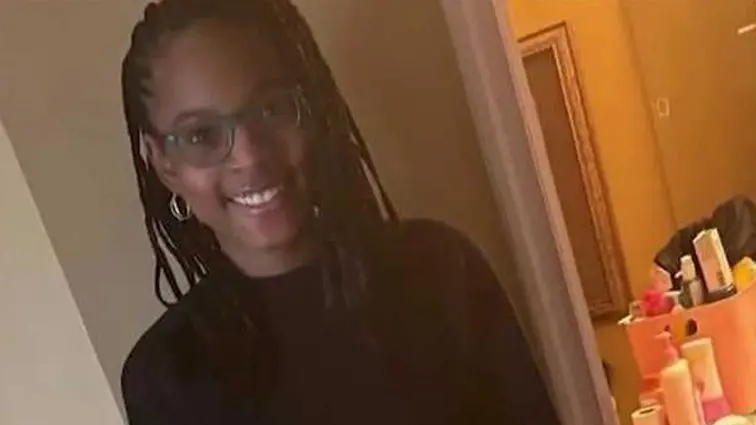
The Story Behind the Legislation
Kanaiyah Ward entered Maryland's foster care system in the summer of 2022 after a juvenile court determined she was a child in need of assistance. She had previously lived with her family in Prince George's County. In September 2025, Ward died by suicide while placed at a Baltimore City hotel — a Residence Inn near Johns Hopkins Hospital — where she was being supervised by a contracted care worker. She was 16 years old and was enrolled as a 10th-grade student at Augusta Fells Savage Institute of Visual Arts.
According to reporting, Ward had been placed in the hotel after a residential treatment program discharged her and five other facilities declined to accept her. The Maryland Department of Human Services, in a report released in January 2026, determined that Ward was neglected by the contracted staff responsible for her supervision. The investigation found that the worker assigned to monitor Ward had been placed on a continuous 53-hour shift after a coworker called in sick and that proper safety protocols — including securing medications — were not followed.
The contracted care worker was employed by Fenwick Behavioral Services, which was responsible for providing one-on-one supervision with hourly checks. The DHS investigation identified three individual Fenwick staff members as responsible for the neglect, citing failures in ensuring Ward's safety, approving an unreasonable shift duration, and failing to properly secure the hotel room environment. Fenwick's owner has disputed the finding and indicated an intent to appeal.
A State Audit Exposed Systemic Failures
Ward's death came just days after the release of a state audit of Maryland's Social Services Administration that documented widespread problems in the foster care system. The 70-page report, published in September 2025, revealed that seven registered sex offenders had been living in state-approved homes caring for foster children. It also found that required criminal background checks for workers interacting with children had not been consistently conducted over a four-year period, and that one employee had been charged with sexual assault of a minor in his care.
The audit further documented that children were being housed in hotels rather than licensed care settings — a practice that, according to state officials, had been occurring for approximately a decade. Maryland also faced nearly $700,000 in federal penalties for failing to meet foster care service requirements. Lawmakers described the agency as "broken" and scheduled emergency hearings to address the findings.
Following Ward's death and the audit's revelations, advocates and lawmakers pressed the Department of Human Services for answers. DHS Secretary Rafael Lopez, who began his tenure in March 2023, faced questions about why systemic failures had persisted. Advocates expressed frustration that despite multiple failed oversight reports, progress in addressing the department's shortcomings had been insufficient.
What Kanaiyah's Law Would Do
House Bill 980, sponsored by Delegate Mike Griffith, a Republican representing Cecil and Harford Counties, has garnered more than 50 co-sponsors and broad bipartisan support. The legislation was heard by the House Judiciary Committee in late February 2026. If passed, the bill would establish three key reforms:
- Codify the prohibition against placing foster children in unlicensed settings, including hotels, homeless shelters, and local Department of Social Services offices.
- Require criminal background checks for all court-appointed guardianship homes, addressing the audit finding that children had been placed with individuals convicted of crimes against children.
- Create an independent advocate for children in foster care, adding a layer of external accountability that advocates have long called for.
The Maryland Department of Human Services has expressed support for the bill with minor adjustments. DHS officials have stated that the department ended the practice of housing children in hotels in late November 2025 and that all children currently in care have been placed in licensed facilities. DHS Chief of Staff Jim Liggett-Creel indicated that when new contracts for one-on-one care providers go before the state's spending board, the department would require 100 percent background checks for contractors. The legislation would make these policy changes permanent by writing them into state law.
A Mother's Call for Action
Brooke Ward, Kanaiyah's mother, testified before the House Judiciary Committee in February 2026, urging lawmakers to pass the bill. She told the committee that the effort was not simply about memorializing her daughter, but about ensuring the systems that children depend on actually work as intended. Her family's attorney has noted that Brooke Ward had repeatedly sought appropriate mental health treatment for her daughter and pushed DHS to place Kanaiyah in a facility equipped to help her — efforts that ultimately went unmet.
Delegate Griffith, who was himself in foster care growing up, has been a vocal advocate for the legislation. He expressed deep concern that children had been placed in guardianship homes with individuals who had been convicted of crimes against children, and that some of those children were subsequently harmed. Governor Wes Moore has publicly committed to reforming the system, stating that his administration would place firm accountability on officials to ensure these failures are addressed.
Structural Challenges Remain
While the immediate reforms represent meaningful progress, child welfare advocates and analysts have noted that deeper structural challenges persist within Maryland's foster care system. Eliminating hotel placements was a necessary emergency step, but it has not been accompanied by a dramatic expansion of placement capacity for youth with complex needs.
Key unresolved challenges include:
- A shortage of therapeutic and specialized foster homes for youth with complex behavioral and mental health needs.
- Long wait times for appropriate residential treatment placements and a limited number of in-state treatment beds.
- Limited independent oversight of DHS, with most reforms to date driven internally rather than by an external watchdog authority.
- Insufficient investment in upstream prevention strategies that address root causes driving children into the system, including poverty, substance use disorders, and housing instability.
Advocates have emphasized that eliminating harmful placements is a critical first step, but expanding the availability of appropriate, high-quality care settings is equally important. Without adequate placement options, the system risks cycling vulnerable youth through emergency settings that are not equipped to meet their needs — the very dynamic that contributed to Kanaiyah Ward's placement in a hotel.
Why This Matters for Every Community
The circumstances surrounding Kanaiyah Ward's death underscore a painful reality: when systems designed to protect children fail, the consequences can be devastating. Children in foster care are among the most vulnerable members of any community, and their safety depends on functioning oversight, qualified caregivers, adequate resources, and meaningful accountability at every level of care.
Organizations like The Blue Ribbon Project, which works directly with children and families impacted by the foster care system in Maryland, see the effects of these systemic gaps firsthand. Through programs that provide essential items to children entering care, emotional support during difficult transitions, and connection to caring adults, The Blue Ribbon Project is part of a broader community effort to ensure that children in foster care are not only safe but supported with dignity and compassion.
Stories like Kanaiyah's reinforce why prevention, awareness, and community engagement are essential. When adults are informed, systems are held accountable, and communities remain engaged, children are safer. Every person has a role to play in protecting children — whether by supporting organizations that serve them, staying informed about policy developments, or simply paying attention to the young people in their communities.
Reporting Abuse
If you suspect a child is being abused or neglected, reporting that concern can be a critical step in protecting them. In Maryland, reports of suspected child abuse or neglect can be made to the local Department of Social Services or by contacting law enforcement. You do not need to be certain that abuse has occurred — a reasonable suspicion is enough to make a report.
Maryland's Child Protective Services can be reached 24 hours a day. If a child is in immediate danger, call 911. For non-emergency concerns, contact your local DSS office or reach the Childhelp National Child Abuse Hotline at 1-800-422-4453, which provides assistance around the clock in more than 170 languages.
If you or someone you know is experiencing emotional distress or a mental health crisis, the 988 Suicide and Crisis Lifeline is available 24 hours a day, seven days a week. Call or text 988 to speak with a trained counselor.
Sources and Resources
- The Baltimore Sun — Maryland Foster Care Placements and Kanaiyah Ward (March 2026)
- CBS News Baltimore — Teen Who Died in State Custody Was Neglected (January 2026)
- FOX45 News — Mother Pleads for Passage of Kanaiyah's Law (February 2026)
- WMAR-2 News — Kanaiyah Ward's Death Sparking Change in Maryland's Foster Care System (February 2026)
- 988 Suicide and Crisis Lifeline
- Childhelp National Child Abuse Hotline — 1-800-422-4453