
The Effects of Child Abuse Category: Understanding Trauma
Child abuse affects millions of children each year and leaves a profound imprint that can extend far beyond childhood. The impact touches every dimension of development — physical, psychological, cognitive, social, and economic — and the consequences, if left unaddressed, can last a lifetime. Understanding these effects is a critical step toward early recognition, compassionate response, and meaningful healing. This article explores what we know about how child abuse affects children and survivors, what warning signs to watch for, how healing is possible, and how each of us plays a role in protecting children.
Why This Matters: The Scope of Child Abuse
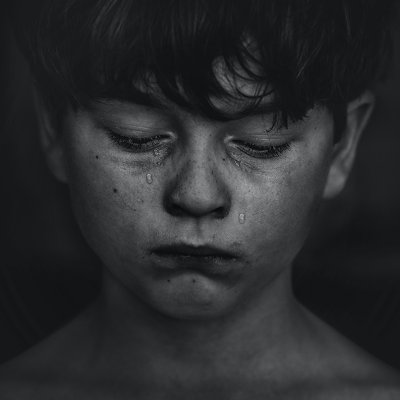 Child abuse and neglect are among the most serious public health challenges in the United States. According to the Centers for Disease Control and Prevention (CDC), at least one in seven children experienced child abuse or neglect in the past year — and experts caution that the true number is likely higher, as many cases go unreported. In 2023, an estimated 558,899 children were confirmed victims of abuse and neglect in the U.S., according to national data from the National Child Abuse and Neglect Data System (NCANDS). An additional 4.4 million referral reports were received by child protective agencies that same year.
Child abuse is defined by the CDC as any act or series of acts by a parent, caregiver, or person in a custodial role that results in harm, the potential for harm, or a threat of harm to a child under the age of 18. It is not limited to dramatic or visible violence — it encompasses a wide range of experiences, many of which leave no visible mark but cause lasting damage.
The World Health Organization (WHO) recognizes four primary types of child maltreatment: physical abuse, sexual abuse, emotional or psychological abuse, and neglect. Each type has its own pattern of harm, and many children experience more than one form of abuse simultaneously.
Understanding the Types of Abuse
Physical Abuse
Physical abuse involves the intentional use of physical force against a child — including hitting, kicking, burning, shaking, choking, or any other act that causes physical injury. Physical abuse is not always visible; perpetrators often inflict injuries in areas covered by clothing. However, unexplained bruising, fractures inconsistent with a child's developmental stage, patterned burns, or repeated injuries of different ages are among the clearest indicators.
Sexual Abuse
Sexual abuse refers to any completed or attempted sexual act, contact, or exploitation involving a child by a caregiver or person in a position of trust or authority. This includes direct contact as well as non-contact abuse, such as exposure to sexual material or exploitation through imagery. Children who experience sexual abuse may show behavioral signs including age-inappropriate sexual knowledge, withdrawal, or sudden changes in mood — though many show no obvious outward signs at all.
Emotional Abuse
Emotional abuse — also called psychological abuse — involves behaviors that harm a child's sense of self-worth, safety, or emotional well-being. This includes persistent criticism, name-calling, humiliation, threatening, isolating, or withholding love and validation. Emotional abuse is often the most underreported type because it leaves no physical marks, yet research consistently shows it causes significant and lasting harm to brain development, self-esteem, and mental health.
Neglect
Neglect is the most common form of child maltreatment. It occurs when a caregiver fails to meet a child's basic physical, emotional, educational, or medical needs. This can include inadequate food, housing, clothing, supervision, healthcare, or emotional responsiveness. Neglect is not always a result of willful disregard; it is frequently connected to poverty, substance abuse, mental illness, and lack of support. Regardless of intent, the harm to a child is real and significant. National data shows that 72% of confirmed maltreatment victims experience neglect as their primary form of abuse.
How Abuse Affects the Developing Brain
One of the most significant findings in modern child development research is the profound impact that abuse and neglect have on the developing brain. During infancy and early childhood, the brain undergoes rapid development and is extraordinarily sensitive to environmental input. Safe, stable, and nurturing relationships build healthy brain architecture. Chronic stress and trauma disrupt that architecture.
When a child is repeatedly exposed to threatening or unpredictable conditions, the body's stress response system — including the hypothalamic-pituitary-adrenal (HPA) axis — is activated repeatedly and for prolonged periods. Researchers refer to this as toxic stress. Over time, this chronic activation changes how the brain is structured and how it functions. Research published in peer-reviewed journals has identified differences in the volume and connectivity of key brain regions — including the prefrontal cortex, hippocampus, amygdala, and anterior cingulate cortex — in children and adults with histories of maltreatment.
These changes have real consequences. The brain regions most affected by childhood maltreatment are those involved in emotional regulation, impulse control, memory, attention, and decision-making. As a result, children who have been abused may appear reactive, impulsive, or emotionally dysregulated — not as a character flaw, but as a direct reflection of how their developing brains adapted to survive in unsafe conditions.
A 2025 review published in the journal Neuron by researchers at the University of California, Irvine, confirmed that early-life adversity affects more than half of the world's children and that the unpredictability of a child's early environment — not just overt abuse — may be as developmentally harmful as more recognized forms of maltreatment. This underscores that emotional neglect and chronic household instability carry serious developmental consequences even when they are not accompanied by physical harm.
Psychological and Emotional Effects
The psychological effects of child abuse are wide-ranging and can emerge during childhood, adolescence, or adulthood. Research consistently shows that children who experience maltreatment are at significantly elevated risk for a range of mental health challenges.
- Post-Traumatic Stress Disorder (PTSD): Children who experience abuse — especially chronic or severe abuse — frequently develop PTSD, characterized by intrusive memories, flashbacks, hypervigilance, nightmares, and emotional numbing. PTSD can persist into adulthood if left untreated.
- Anxiety and Depression: Studies have found that individuals who experienced emotional abuse in childhood have a three-fold higher risk of developing a depressive disorder compared to those who were not abused. Anxiety disorders are also substantially more common among survivors of child maltreatment.
- Dissociation: Some children cope with overwhelming trauma by mentally "disconnecting" from the experience — a response known as dissociation. This can range from brief episodes of spacing out to more complex dissociative conditions that persist into adulthood.
- Low Self-Esteem and Shame: Survivors of childhood abuse — particularly emotional abuse and neglect — often carry deep feelings of shame and worthlessness. Research has found that childhood trauma is closely associated with lower self-esteem and greater difficulties with emotional regulation in adulthood.
- Difficulty with Emotional Regulation: Children who grew up in environments where their emotions were not validated or were met with threat or punishment often struggle to identify, express, and manage their feelings as they grow older. This can manifest as emotional outbursts, emotional numbness, or difficulties communicating needs in relationships.
- Increased Risk of Suicidal Ideation and Self-Harm: Survivors of childhood abuse face a significantly elevated risk of suicidal thinking and self-harm behaviors. This is particularly pronounced among those who experienced sexual abuse or multiple forms of maltreatment.
A landmark study found that 80% of young adults who had been abused as children met diagnostic criteria for at least one psychiatric disorder by age 21 — including depression, anxiety, eating disorders, and substance use disorders. These findings highlight both the seriousness of childhood maltreatment and the critical importance of early intervention and ongoing mental health support.
Physical Health Effects
The physical effects of child abuse extend well beyond immediate injuries. While visible marks — such as bruises, burns, fractures, or lacerations — may draw the attention of adults and mandated reporters, the physical consequences of abuse are often internal, cumulative, and long-lasting.
Children's bodies are still developing, making them particularly vulnerable to physical harm. Physical abuse can cause brain damage from head trauma (including abusive head trauma, formerly known as shaken baby syndrome, which is a leading cause of child abuse deaths in children under five). Fractures, internal injuries, and sexual abuse-related physical harm can also occur. Injuries may be in locations typically covered by clothing, or may be explained away with inconsistent or implausible accounts by caregivers.
Long-term physical health consequences of childhood maltreatment include significantly elevated risk for chronic conditions in adulthood:
- Heart disease and stroke
- Cancer
- Chronic lung and liver disease
- Autoimmune conditions
- Obesity and diabetes
- Elevated levels of inflammation markers (such as C-reactive protein)
According to research supported by the CDC, the biological mechanism behind many of these outcomes is the toxic stress response — chronic activation of the body's stress systems disrupts immune function, hormonal balance, and even gene expression, setting the stage for poor health outcomes decades later. One major research finding suggests that preventing ACEs could lead to predictive decreases in depression, kidney disease, stroke, coronary heart disease, cancer, diabetes, and obesity in America.
Cognitive and Academic Effects
The cognitive effects of child abuse are significant and well-documented. Neuropsychological studies have found associations between child maltreatment and deficits in IQ, memory, working memory, attention, response inhibition, and emotion discrimination. These are not fixed limitations — they are outcomes of disrupted brain development that, with appropriate support and intervention, can improve over time.
Children who have experienced abuse often struggle in school. Research has found that childhood maltreatment is associated with lower grade point averages, difficulty completing homework, reduced ability to concentrate in class, increased absenteeism, and greater likelihood of school dropout. A 2024 meta-analysis of 59 studies involving more than 211,000 participants confirmed that all forms of child maltreatment — physical, sexual, emotional, and neglect — are significantly linked to diminished academic performance in language arts and mathematics. Emotional abuse and neglect showed the most significant impact on academic outcomes.
The mechanisms behind these academic struggles are rooted in the same disrupted brain development described above. Trauma places the brain in a state of alert, making it difficult to engage the prefrontal cortex — the region responsible for learning, reasoning, and long-term planning — when children perceive threat or feel unsafe. A classroom may feel overwhelming or unpredictable to a child who is hypervigilant as a result of abuse at home.
Social and Relational Effects
Child abuse does not only affect children in isolation — it fundamentally shapes how they learn to relate to other people. Children who are maltreated often develop insecure or disorganized attachment patterns, which can make it difficult to form safe, trusting relationships throughout their lives.
Research has found that maltreated children name fewer peers as friends and are more likely to withdraw socially, in part due to shame, low self-esteem, and an anticipation of rejection or victimization by others. They may also be more likely to engage in relational aggression or conflict with peers — not because they are "bad" children, but because their early relationships taught them that conflict is normal and that adults cannot be trusted.
In adulthood, survivors of childhood abuse face challenges in both romantic and platonic relationships. Growing up in an abusive environment can shape a person's understanding of what relationships look and feel like. Survivors may normalize behaviors such as manipulation, control, or emotional volatility. Some may find themselves in relationships that mirror early harmful dynamics, not because they are making a conscious choice, but because the familiarity of those dynamics can feel more predictable than something healthy and new.
Research has also documented the intergenerational dimension of child maltreatment. Children whose parents have a history of maltreatment are at elevated risk for experiencing maltreatment themselves. However, it is critically important to note that the majority of parents who were abused as children do not go on to abuse their own children. A significant body of research — including a meta-analysis published in peer-reviewed literature — found that a greater proportion of parents break the cycle of maltreatment rather than maintain it. Breaking the cycle is not only possible — it is the norm, particularly when survivors have access to therapy, supportive relationships, and community resources.
Behavioral Effects and Coping Responses
Children and adolescents who experience abuse may develop a range of behavioral responses that represent attempts to cope with overwhelming and confusing experiences. These behaviors are important signals — not character flaws — and should be understood in the context of what the child has endured.
- Substance use: Survivors of childhood trauma are at significantly elevated risk for alcohol and drug use, often as a means of managing emotional pain, numbing intrusive memories, or regulating a dysregulated nervous system.
- Eating disorders: Disrupted relationships with food — including restrictive eating, binging, or purging — are more common among survivors of childhood sexual and emotional abuse.
- Self-harm: Some survivors engage in self-injurious behaviors as a means of managing overwhelming emotional states or reclaiming a sense of control over their bodies.
- Risk-taking behaviors: Engaging in unsafe sexual behavior, reckless activity, or other high-risk choices may reflect a diminished sense of self-worth, difficulty imagining a safe future, or the numbing that can follow trauma.
- Aggression or behavioral outbursts: Some children who are abused externalize their distress through anger, defiance, or aggression. This is the nervous system's fight response at work — and it calls for support, not punishment.
- Withdrawal and emotional shutdown: Other children respond by becoming quiet, compliant, and disconnected. These children may be easy to overlook in a classroom or social setting, but their internal experience may be one of significant distress.
Recognizing the Warning Signs
Adults who are present in children's lives — parents, teachers, coaches, neighbors, healthcare providers, and family members — are often in the best position to recognize when something may be wrong. You do not need to be a trained expert to take notice and take action. Trust your instincts. If something feels off, it is always better to ask questions and report a concern than to stay silent.
Signs in a Child
- Unexplained injuries, or injuries that do not match the explanation given
- Bruises, burns, welts, or fractures — especially in unusual locations or patterns
- Sudden changes in behavior, mood, or school performance
- Withdrawal from friends, family, or activities they previously enjoyed
- Excessive fearfulness, hypervigilance, or startle responses
- Regression to younger behaviors (bedwetting, thumb-sucking) in older children
- Age-inappropriate sexual knowledge or behavior
- Reports of hunger, poor hygiene, or inadequate clothing for the weather
- Flinching, freezing, or showing fear when certain adults approach
- Expressing fear about going home or being picked up by a caregiver
- Stealing or hoarding food
- Frequent absences from school without explanation
Signs in a Caregiver
- Offering inconsistent, implausible, or changing explanations for a child's injuries
- Showing little concern for the child or minimizing the child's problems
- Referring to the child in belittling, dismissive, or dehumanizing terms
- Isolating the child from peers and extended family
- Using excessive or inappropriate physical discipline
- Appearing to be under the influence of substances while responsible for the child
- Attempting to be alone with the child in unusual contexts (in the case of sexual abuse risk)
It is important to note that warning signs alone do not confirm that abuse is occurring. No single sign is definitive, and children from all backgrounds, cultures, and circumstances can exhibit some of these behaviors for many different reasons. When in doubt, consult with a professional or make a report to a child protective services agency — letting professionals assess the situation is always the right choice.
The Societal Cost of Child Abuse
Child abuse is not only a family tragedy — it is a community and societal crisis with profound economic consequences. Prevent Child Abuse America estimates that child abuse and neglect costs the nation approximately $220 million every day, or more than $80 billion annually, when accounting for direct costs such as investigations, foster care, and medical and mental health treatment, as well as long-term costs including special education, juvenile and adult criminal justice involvement, and chronic health care.
In California alone, a 2024 economic analysis estimated that child abuse and neglect costs the state over $16 billion in a single year. Research from the University of Tennessee estimated the lifetime cost per victim of child maltreatment at approximately $285,000. Globally, a 2024 study published by researchers at University College London estimated the economic burden of childhood verbal abuse alone at $300 billion per year worldwide.
These figures are not presented to reduce children's suffering to a dollar amount — they are shared to underscore that investment in child abuse prevention is not only a moral imperative, but one of the most cost-effective public health investments a community or government can make.
Healing Is Possible
One of the most important truths about child abuse is this: healing is real, and it is possible. Research consistently shows that the effects of childhood trauma are not permanent or inevitable. With the right support, children and adult survivors can and do heal, reclaim their lives, and build healthy, fulfilling futures.
Healing is supported by several key factors:
- Safe, stable, and nurturing relationships: A consistent, caring adult presence in a child's life is one of the most powerful protective factors known to research. This can be a parent, foster parent, teacher, mentor, or other trusted adult. Children do not need perfect environments — they need safe, predictable ones.
- Trauma-informed therapy: Evidence-based treatments — including Trauma-Focused Cognitive Behavioral Therapy (TF-CBT), Eye Movement Desensitization and Reprocessing (EMDR), and other trauma-informed approaches — have demonstrated effectiveness for children and adults recovering from abuse and trauma. Seeking professional support is a sign of strength, not weakness.
- Community and social support: Research has consistently identified social support as a protective factor specifically for mental health outcomes following childhood adversity. Belonging to a community — whether through school, faith, neighborhood, or peer support — matters deeply to recovery.
- Advocacy and empowerment: Survivors benefit from environments and relationships that honor their experiences, respect their agency, and support their voices. Being believed, listened to, and included in decisions about their own care and healing is central to the recovery process.
The five protective factors identified by child welfare researchers — parental resilience, social connections, concrete support in times of need, knowledge of parenting and child development, and the social and emotional competence of children — are all elements that communities can actively cultivate to prevent abuse and support healing when it does occur.
Reporting Abuse / Get Help
If you suspect a child is being abused or neglected, please do not wait. Reporting your concern is one of the most important actions you can take. You do not need to be certain that abuse is occurring — that determination is the role of trained professionals at child protective services agencies. Your responsibility is simply to make the call.
In most U.S. states, certain adults — including teachers, healthcare providers, coaches, and childcare workers — are designated as mandated reporters and are legally required to report suspected abuse or neglect. However, any person who suspects a child is at risk can and should make a report. Reporting is confidential, and you can typically report anonymously.
- If a child is in immediate danger, call 911.
- Childhelp National Child Abuse Hotline: Call or text 1-800-422-4453 (1-800-4-A-CHILD) — available 24 hours a day, 7 days a week, with crisis counselors and referrals to local resources.
- Mental health crisis support: Call or text 988 (988 Suicide & Crisis Lifeline) if you or a survivor you know is in a mental health crisis.
- Your local Department of Social Services or Child Protective Services agency can receive and investigate reports of abuse or neglect in your area.
If you are a survivor of childhood abuse and are navigating its effects in your own life, please know that you are not alone and that support is available. Reaching out to a therapist, counselor, or trusted support organization is a meaningful step toward healing.
Sources and Resources
- Centers for Disease Control and Prevention (CDC) — About Child Abuse and Neglect
- CDC — Adverse Childhood Experiences (ACEs): Risk and Protective Factors
- National Child Abuse and Neglect Data System (NCANDS) — Child Maltreatment 2024 Report
- Prevent Child Abuse America — Long-Term Effects of Child Abuse and Neglect
- Child Welfare Information Gateway (U.S. Dept. of Health and Human Services) — Long-Term Consequences of Child Abuse and Neglect
- American SPCC — Child Maltreatment Statistics
- World Health Organization (WHO) — Child Maltreatment
- SAMHSA — Trauma-Informed Approaches and Programs
- Childhelp National Child Abuse Hotline: 1-800-422-4453
- 988 Suicide & Crisis Lifeline: Call or text 988