Resource Library
Explore evidence-informed articles, practical guides, videos, and community perspectives focused on preventing child abuse, supporting children and young people in foster care, understanding trauma, and helping survivors heal.
- Details
- Category: Resource Library
The Blue Ribbon Project’s Resource Library is a collection of articles and guides designed to inform, support, and empower our community. Here you’ll find resources on trauma, healing, foster care, prevention, and more—each written to help children, families, and advocates build safer, stronger futures.
-

Healing & Resilience
Healing is possible, and resilience grows when people are given the right tools and encouragement. This section offers practical strategies, hope, and guidance for building strength and moving forward after adversity.
-
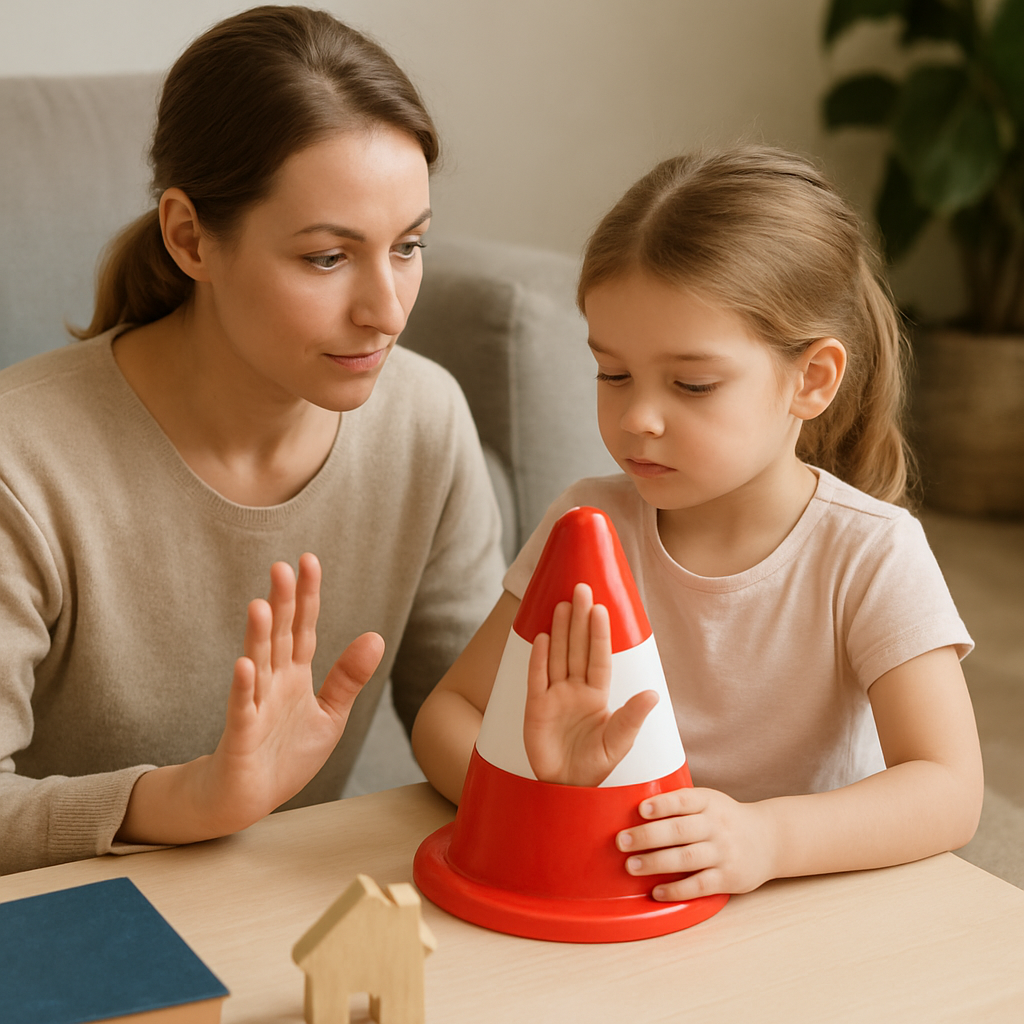
Prevention & Safety
Protecting children begins with awareness and action. These articles focus on preventing abuse, recognizing warning signs, promoting safety, and empowering communities to keep children safe.
-

Foster Care Resources
Foster families and youth in care often face unique challenges. Here you’ll find information, tools, and encouragement designed to support caregivers, foster parents, and children navigating the foster care system.
-

Community Perspectives
Every voice in our community matters. This section shares perspectives and lived experience from survivors, foster parents, social workers, volunteers, and advocates, the people working every day to protect children, support families, and strengthen the communities around them.
-
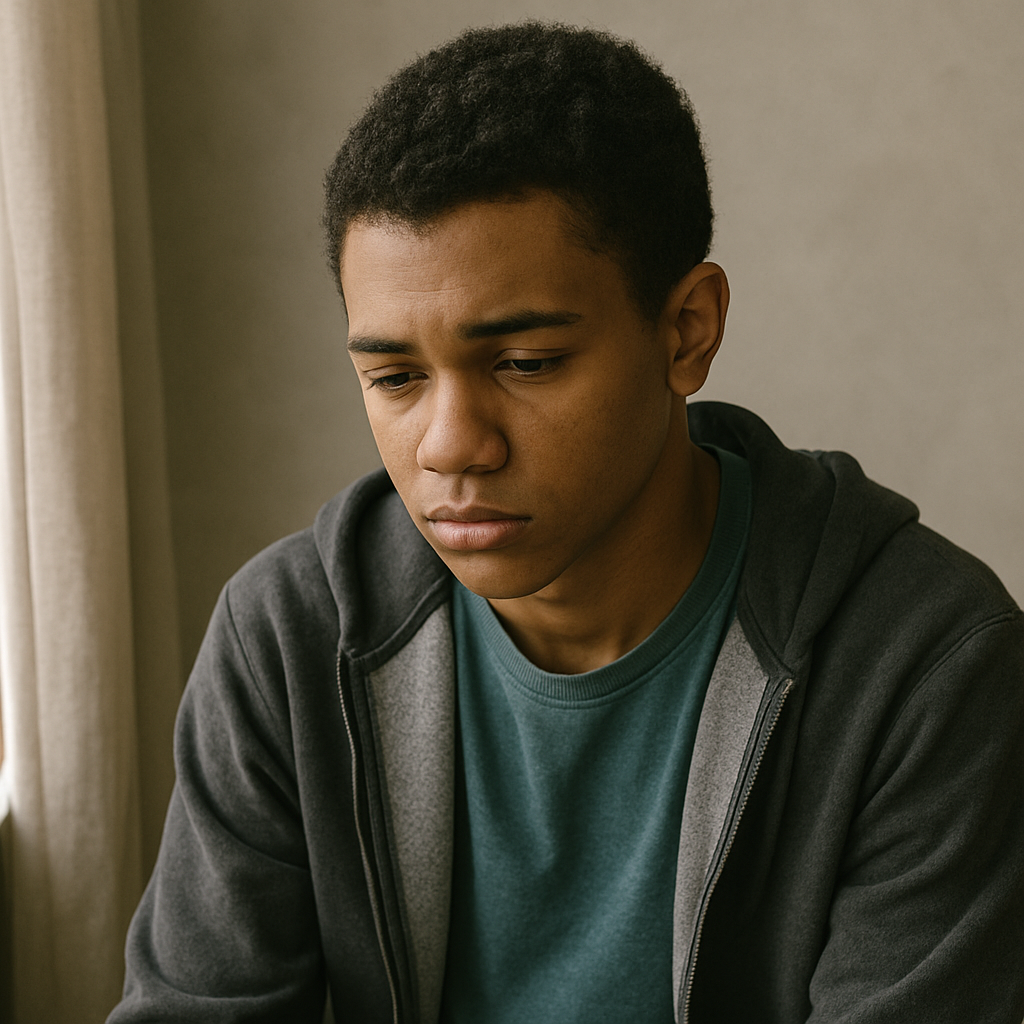
Understanding Trauma
Trauma affects children and adults in many different ways, often shaping emotions, behaviors, and relationships. These articles help explain what trauma is, how it impacts lives, and why understanding it is the first step toward healing and support.
-
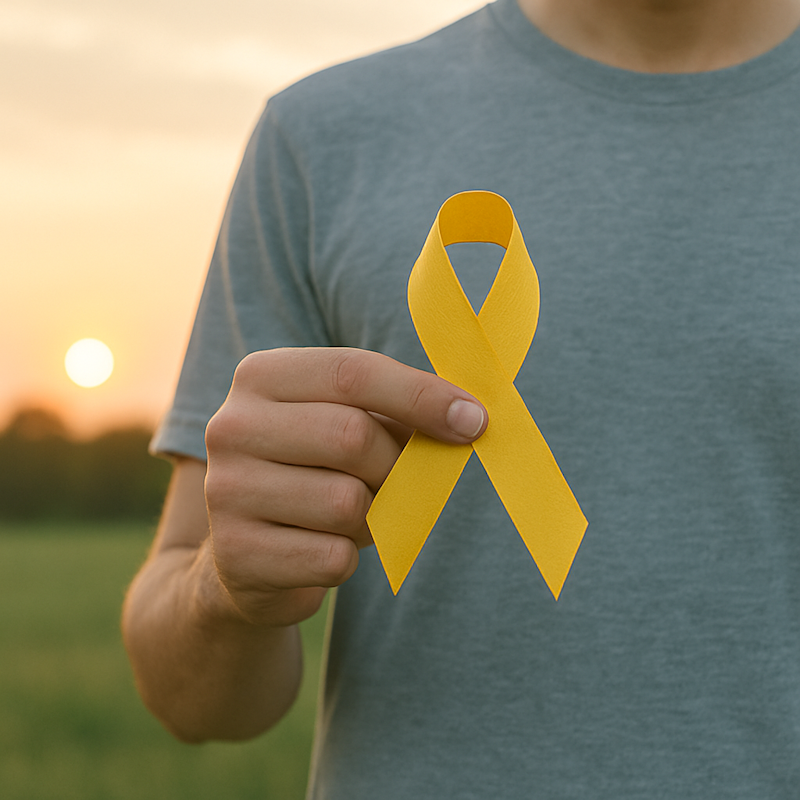
Suicide Prevention
Suicide can impact anyone, and awareness saves lives. These articles provide information, support, and practical tools to help prevent suicide, recognize warning signs, and encourage hope for those in need.

Video Library
Watch and learn from our curated collection of educational videos. From awareness and prevention to healing and support, our Video Library offers powerful visual resources for survivors, families, advocates, and professionals.
- Details
- Parent Category: Resource Library
- Category: Understanding Trauma
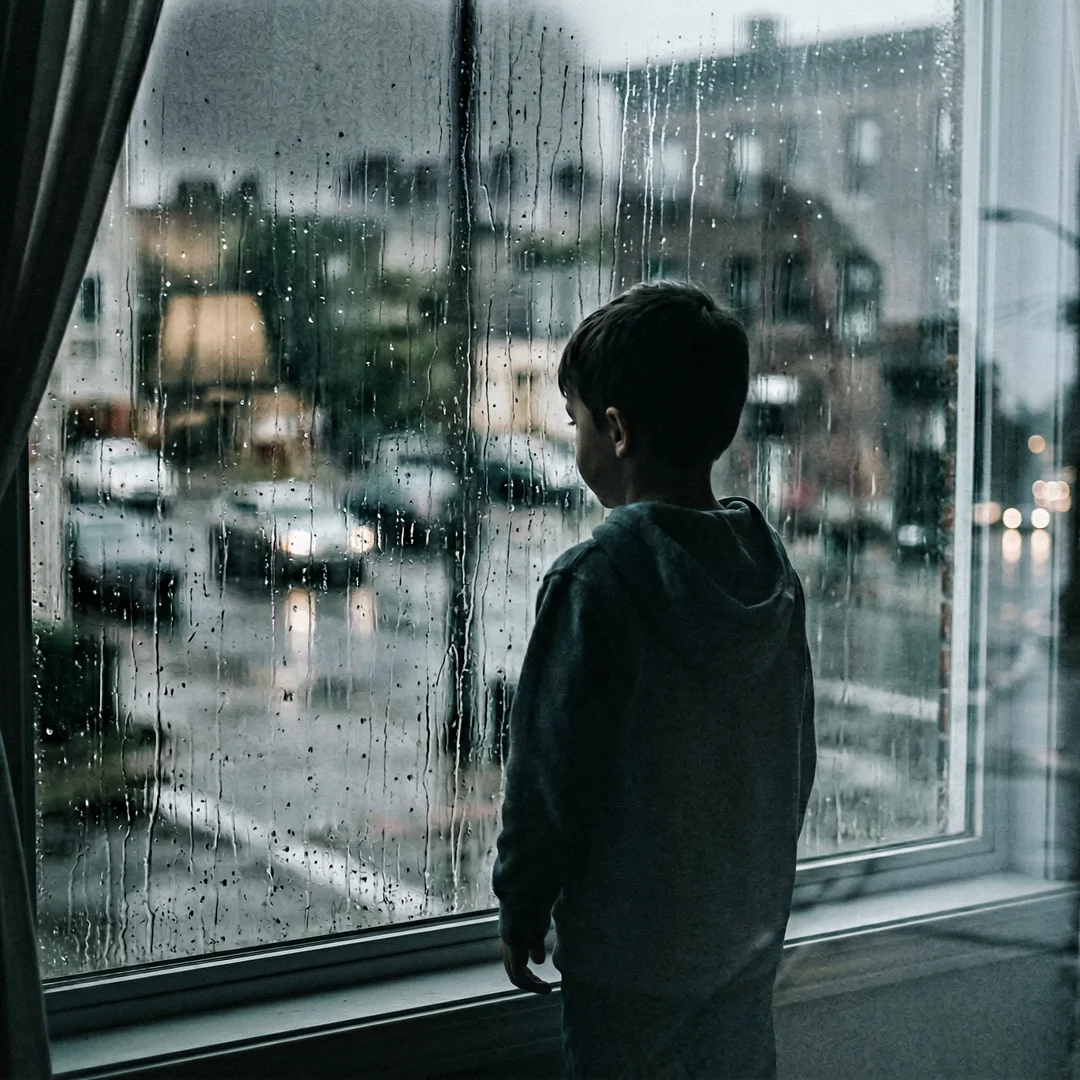
Child maltreatment — including physical abuse, sexual abuse, emotional abuse, and neglect — can leave a lasting imprint on a child's developing mind, body, and sense of self. According to the Centers for Disease Control and Prevention, at least one in seven children in the United States experienced abuse or neglect in the past year, and more than two-thirds of children report encountering at least one traumatic event by the age of 16. For children who experience repeated or ongoing maltreatment, the psychological consequences can be profound, often meeting the criteria for Post-Traumatic Stress Disorder (PTSD) or its more complex form, Complex PTSD (C-PTSD). This article explores what PTSD and C-PTSD look like in children, how they differ, and what the short- and long-term effects mean for a child's health, development, and future — with evidence drawn from peer-reviewed research, government data, and leading child welfare and trauma authorities.
- Details
- Parent Category: Resource Library
- Category: Understanding Trauma
Trauma is one of the most commonly referenced but least understood concepts in public conversation today. The word appears in headlines, workplace policies, healthcare settings, and everyday speech — yet what trauma actually is, how it physically reshapes the developing brain, why people respond to it so differently, and what it actually takes to heal from it remains widely misunderstood. These misconceptions carry real consequences: they shape how institutions respond to survivors, how communities design support systems, and whether individuals who need help feel safe enough to seek it. This article provides a thorough, evidence-based examination of what trauma is, what it is not, and what genuine understanding of it requires.
- Details
- Parent Category: Resource Library
- Category: Understanding Trauma
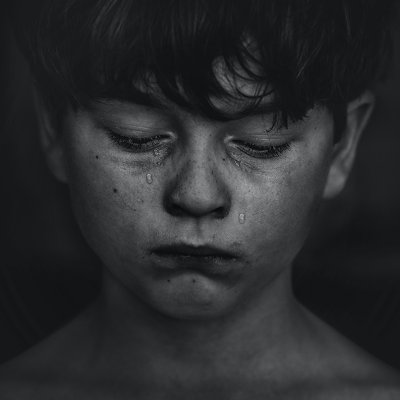
Child abuse affects millions of children each year and leaves a profound imprint that can extend far beyond childhood. The impact touches every dimension of development — physical, psychological, cognitive, social, and economic — and the consequences, if left unaddressed, can last a lifetime. Understanding these effects is a critical step toward early recognition, compassionate response, and meaningful healing. This article explores what we know about how child abuse affects children and survivors, what warning signs to watch for, how healing is possible, and how each of us plays a role in protecting children.

- Details
- Parent Category: Resource Library
- Category: Understanding Trauma
Childhood experiences shape the foundation of who we become as adults. While nurturing environments foster resilience, love, and growth, traumatic experiences in childhood can leave invisible scars that last a lifetime. One of the most devastating consequences of unresolved trauma is the heightened risk of suicide. As we recognize Suicide Prevention Month, it is critical to understand how childhood trauma impacts mental health and to highlight the importance of prevention, intervention, and support.
Read more: The Lasting Impact of Childhood Trauma on Suicide Risk